How Nepal’s Oscar Submission ‘Elephants in the Fog’ Found Worldwide Success Challenging Gender Norms
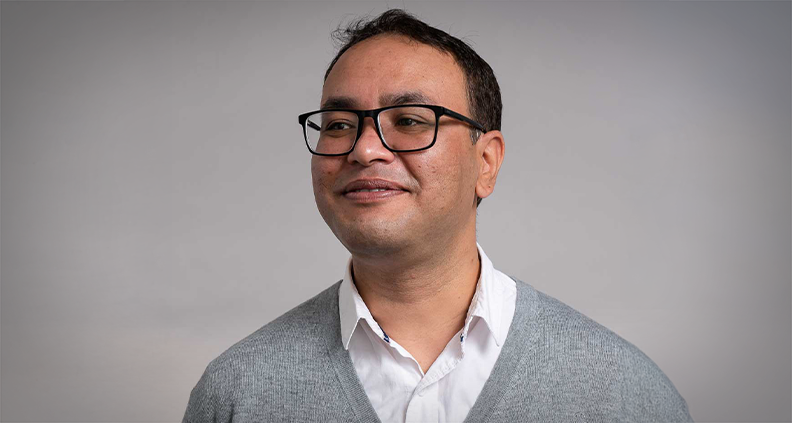
Abinash Bikram Shah has always been drawn to outsiders. “I often ask myself: Who gets to decide what a “normal” life looks like, and what happens to those who cannot or do not want to live that way?”
The Nepalese writer/director has followed that curiosity while making his short film, Lori (2022), which competed for the Palme d’Or Short at Cannes. He also co-wrote Shambhala (2024), which premiered at the Berlinale. He was a Film Independent International Fellow in 2022.
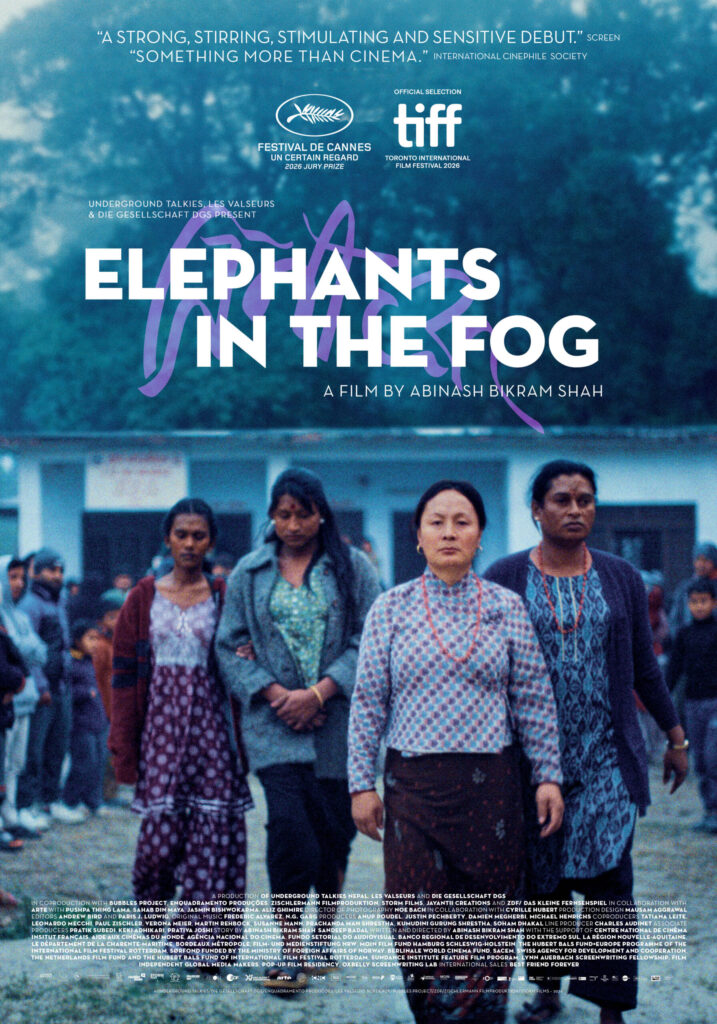
His debut feature, the Cannes Un-Certain-Regard winning Elephants in the Fog, is about Pirati, the matriarch of a Kinnar community in Nepal, a sacred third-gender group who whose religious obligations require chastity. Pirati secretly plans to run away to Delhi with the man she loves, but when a young initiate disappears, Pirati must find her while fighting the prejudice and indifference of the local community.
“In South Asia, there is a deep hypocrisy in how society approaches the Kinnar community. People invite them into their homes to give blessings at weddings and newborn celebrations, believing their presence carries spiritual weight. Yet the moment the ritual ends, the door is closed in their faces,” Bikram Shah said.
“Elephants in the Fog doesn’t offer easy, comforting answers. It asks the audience to sit in the quiet discomfort of our collective blindness, and to confront why we tolerate people from a distance, but withhold genuine acceptance and love.”
We spoke with him about the film, its success worldwide, and how the film was shaped by the Film Independent International LA Residency.
How did you come across this story, and what made you want to tell it?
During the COVID lockdown, I came across Kinnar women on TikTok. They were singing, dancing, laughing, and enjoying themselves with such vivid life. But when I read the comment sections, I saw so much hatred and prejudice. I couldn’t understand how people could watch these women expressing so much joy and respond with such cruelty. That contradiction stayed with me.
I started visiting them in person. At first, I thought I would make a short film, but the more time I spent in their homes, the more I realized how little we actually knew about their lives. Beyond the public image of the Kinnar community, there were families, relationships, conflicts, grief, humor, and everyday struggles.
I felt that our cinema had largely failed to see them as complete human beings, we either turned them into comic caricatures or objects of pity. I didn’t want to make a film that simply spoke about their suffering as a “social topic.” I wanted to sit with them, understand their world, and tell a story from within that world. That was where ‘Elephants in the Fog’ began.
How did your experience in the Film Independent International LA Residency shape the film?
The Film Independent International Residency was my first opportunity to engage closely with the American film industry. But what stayed with me most was not the industry itself, but the human connections I made there.
Sharing Elephants in the Fog with filmmakers from different parts of the world helped me see the story from fresh perspectives. We came from vastly different cultures, but we connected through the emotional core and questions at the heart of our films. Many of those fellow filmmakers are close friends now, and we continue to support each other’s projects.
What makes this residency special to me is that the relationship doesn’t end when the residency is over. Independent filmmaking can be a long, uncertain journey, especially when you’re making a film in Nepal. Film Independent continued to walk alongside us through post-production, connecting us with editors, sound artists, and mentors who offered invaluable feedback. Having that kind of sustained guardianship over a project gives you the strength to keep going when the road feels difficult.
What was mentorship like in the program?
What I appreciated most about the mentors was that they took the time to truly understand our world. They didn’t try to make our film fit into a Western template of storytelling. Instead, they listened deeply, asked challenging questions, and helped us look at our scenes and character choices from angles we might have overlooked.
Making an independent film involves a lot of doubt. You spend years with a story, and sometimes you become too close to it to see what is breathing and what isn’t. Having experienced filmmakers give their time and attention to our film, sometimes over several months, was deeply encouraging.
They didn’t tell us what the film should be. They helped us understand more clearly what we were trying to say. For me, that is the essence of true mentorship.
How did you cast the film, and what was it like working with non-actors?
We spent almost two years searching for the right people for this film. We traveled across Nepal, met Kinnar communities in different districts, and worked closely with LGBTQI+ organizations. But representation alone wasn’t enough, I wanted people who could bring something deeply personal to the characters, allowing them to exist on screen as individuals rather than symbols.
Many of them had grown up watching Bollywood films and television, where acting often means heightened emotions and dramatic expressions. I had to help them unlearn that idea of performance. I didn’t want them to perform for the camera; I wanted to create a space where they felt comfortable enough to simply be themselves and draw from their own lived experiences.
We rehearsed for months in Kathmandu and continued on location in Thori. But the most vital part of the process was earning their trust. When you have spent much of your life being judged or rejected, opening yourself up in front of a camera isn’t easy. I had to learn when to guide them and when to step back. I never wanted to extract emotions from them, I wanted us to reach a point where they felt safe enough to let their guard down.
Having Kinnar women in front of the camera and LGBTQI+ team members behind it made the process deeply meaningful. The film wasn’t just about their lives; their voices and instincts helped shape the film itself.
The film has been a smash success, winning Un Certain Regard at its Cannes premiere and being selected as Nepal’s submission for the Oscars. Tell me about those experiences.
Premiering Elephants in the Fog in the Un Certain Regard section at Cannes, as the first Nepali feature to be selected there, was a major threshold for us. But a film isn’t truly finished when you lock the picture; it is finished in the dark of the theater when it meets its first audience. Standing there as the lights came up to an eight-minute standing ovation, and later receiving the Jury Prize and Best Sound Creation award, was deeply overwhelming.
What moved me most was seeing international audiences connect so deeply with a story rooted in a specific village and culture. It proved that you don’t have to dilute your story or make it less specific to be understood. Sometimes, the more honestly you honor your own small world, the more room you create for others to recognize their own humanity inside it.
Having Elephants in the Fog selected as Nepal’s official submission for the Academy Awards is a great honor. It gives this quiet story and the community at its heart a platform to reach audiences around the world who might otherwise never have encountered them.
For me, this submission is an open doorway, not a final destination. There is still a long way for the film to travel, and I am simply grateful to watch it move further into the world.
Want to vote for the winners of the 2027 Spirit Awards? Only Members get to vote to decide the winners. You’ll receive online screeners for the nominated films and shows this award season, not to mention year-round access to a plethora of virtual and in-person screenings, special events, education, workshops and more, so we invite everyone to Join. Watch. Vote.
Film Independent promotes unique independent voices by helping filmmakers create and advance new work. To become a Member of Film Independent, just click here. To support us with a donation, click here.
More Film Independent…