
At the Forum: DÌDI was ‘Made in California’– See How It Was Cast
Winning Best First Feature and Best First Screenplay at the Spirit Awards, DÌDI will be featured in the ‘Made in California: Lurker and DÌDI Case Studies‘ panel at this year’s Forum. In the discussion, DÌDI‘s writer/director Sean Wong and Alex Russell (writer/director of Lurker) will reveal in a candid conversation their journeys from script to the screen, sharing what it took to develop, produce, release and ultimately find an audience for their debut features. We’re resharing an article on casting the film and finding compelling young actors to tell an authentic coming of age story. Find out more about the Forum here.
***
DÌDI (弟弟) is the type of cinematic experience we all crave but rarely receive these days: an authentic coming-of-age story with a great cast.
The story follows Chris, a Taiwanese American teen trying to find himself in the Bay Area in 2008. As he grapples with complex family and social dynamics, I could hear the theater audience laughing, groaning, and yes, crying. DÌDI feels both personal and universal, thanks in large part to its committed performances. While the cast includes many young and first time actors, it also features Joan Chen, whose poignant portrayal of Chris’s mother, Chungsing, is a standout. At one point, when her character receives disappointing news, there was a collective ‘Aw!’ as audience members expressed heartbreak on her behalf.
Writer/director Sean Wang drew from his own adolescent experiences for DÌDI, and a post-film dedication to ‘mom’ showcases how close these characters are to the filmmaker’s heart.
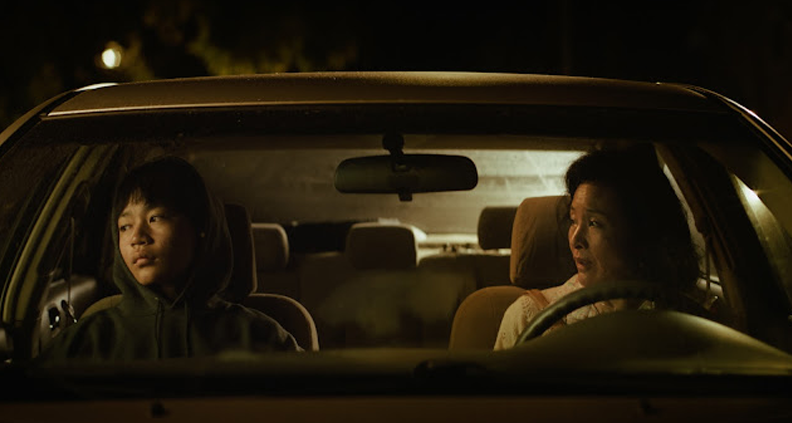
The film shines in scenes between Chris, played by Izaac Wang, and his mother, played by Chen. Together, they create a believable relationship that is funny, frustrating, and heartache-inducing. Both mother and son struggle with loneliness and a desire to find themselves through art, but generational and cultural divides put them at emotional odds for most of the film, making it all the more satisfying when they do connect.
You don’t get these kinds of fully realized characters, or strong emotional reactions from an audience, without expert casting. The film’s casting directors, Nafisa Kaptownwala and Natalie Lin, were clearly up to the task. Their background in street casting, commercials, and fashion, as well as shared experiences with the characters, made them uniquely suited for DÌDI’s coming-of-age story.
Nafisa Kaptownwala and Natalie Lin, Casting Directors
This film focuses on some pretty specific dynamics that can be really challenging from a casting standpoint— a group of young teens, as well as a multigenerational family. How did you approach these challenges to help create the level of authenticity the film and actors were able to achieve?
NAFISA KAPTOWNWALA: This is a tricky question! I think because I don’t look at some roles more challenging than others. Every role has its challenges, and ultimately, I approach it by understanding the story and what the narrative is illustrating and visualizing who are the best people to bring that to life. I start there and take each challenge as it comes.
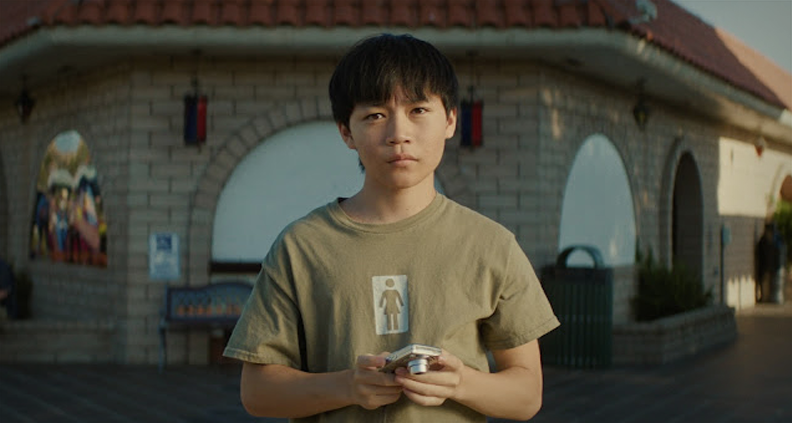
DÌDI has a very talented young lead, played by Izaac Wang, and includes so many other young actors. How do you go about casting first time or less experienced actors, especially when you know they have to carry a film?
NATALIE LIN: Our approach with street casting is much different than our approach with trained actors. When we’re out street scouting looking for people to audition for film roles, really what we’re after is someone who’s essence naturally embodies the role already without having to try much.
NK: I think the hesitation with casting first time actors is performance, but in the case of DÌDI, it is a universal story in so many ways and many of the actors were able to connect with the story and put themselves in it. Because it is such a relatable story, it actually felt like the only approach that made sense, to find people that relate to the story to basically play themselves.
At what point did Joan Chen become involved? Given that she is such a veteran and a director herself, I’d love to hear more about what it was like finding that vital mother-son dynamic in the casting process with her.
NL: Sean had her in mind for Chungsing from day one. We were all thrilled to have her join our cast and it really feels like the role was meant for her.
Since this is a very personal film for the director, Sean Wang, how do you honor that in the casting, especially when you’re casting characters inspired by real people? Was that something you discussed with him going in?
NL: I grew up in the Bay Area about an hour away from Fremont, and I think that because of this I had a natural understanding of Sean’s instincts when it came to what kind of kids we were drawn to amongst the various roles. Sean did a really thorough job of painting a vivid picture of each character for Nafisa and me. He gave us all his trust in finding these kids, and the entire casting process with both him and our producers felt very collaborative. They all trusted in our process and our instincts and everything came together like a little puzzle. Truly could not have asked for a sweeter introduction into the feature world than with this team.
NK: Sean showed us a lot of photos from the past and inspo images of people he knew. It felt very close to home! I didn’t grow up in the Bay, but I did grow up in a very similar community, of mostly 1st and 2nd generation immigrants around the same time as Sean! It didn’t take much imagination to capture what Sean was expressing because I felt like I lived it.
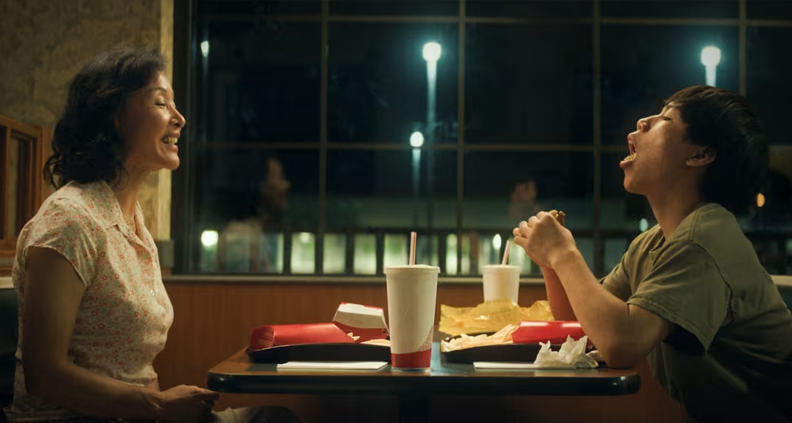
The aesthetics and technology from 2008 play such a big role in this film; and yet its themes are so timeless. How did you approach that duality in the casting process, where it’s a period piece but still needs to resonate with kids today?
NL: I think there are some universal truths to being thirteen years old that span beyond any time period. Teaching the kids how to take a Myspace selfie was a whole thing, down to the camera angles and the mirror flash 🙂
NK: There were definitely a bunch of references that the kids would trip over in auditions. Like I remember the young people we would audition not knowing how to pronounce PETA. And that really stuck with me, cause you would assume that’s a universal thing, but some things just don’t translate generationally, I suppose. But ultimately, what was happening in 2008 is not radically far off from what’s happening now, especially packaged in the overarching themes the film deals with. It was easy enough for the actors to understand. Like the boys in the film were making silly YouTube videos, and now the kids are making TikToks. Not so different! And in so many ways, the aesthetics of that era like digital cameras and myspace photos are actually back.
Your agency, In Search Of, also does casting for fashion and advertising. How did your experience in those mediums inform your process for this film?
NK: Well we treat all of the projects we approach with the same attitude, by asking ourselves: What is the story we’re trying to tell? What are all of the expansive ways to illustrate that story? Because advertising moves so quickly, we’ve learned to be experts at finding sort of niche characters in a very short amount of time. There are a lot of skills we develop working on quick turnover projects we apply to our film work and vice versa.
I saw you had an open casting call on Instagram for this film, as well as your upcoming film Josephine. What’s it like using Instagram for casting purposes, and what role do you think social media will play in the future of casting?
NL: Social media is a very helpful resource for us when it comes to sharing casting calls and looking for specific types of talent. The sprawling nature of Instagram and TikTok was extremely helpful while casting DÌDI. We were able to get in touch with many film orgs who shared our nationwide casting call posts, and between us, Sean, and the production team we had so many friends in the Bay Area and beyond who shared our call far and wide. Someone on TikTok shared our casting call – it went kind of viral, and we had a flood of submissions after that.
NK: I think social media has already transformed casting enormously. What I’ve noticed is that it does allow this space for “first time actors” to be considered for roles because we’re exposed to so many interesting and dynamic people online. Now we’re in a world where movies are being made about people because of how they represent themselves on social media. I think that’s a really exciting space to play in, because it allows for more nuanced and diverse storytelling.
Film Independent promotes unique independent voices by helping filmmakers create and advance new work. To become a Member of Film Independent, just click here. To support us with a donation, click here.
Keep up with Film Independent…
The Film Independent Forum Returns with Two Keynotes from HIKARI and Director-Producer Team Elegance Bratton & Chester Algernal Gordon
The 2026 Film Independent Forum is the place for film professionals to gather for two days to connect, learn about what’s next for the industry, and, of course, be entertained. Returning for its 21st year, the Forum will take place at the Directors Guild of America on September 25–26.
The Forum includes screenings, case studies of hit indie films with the filmmakers, panels on the biggest issues of the day with leading experts, and opportunities to network and connect—both in structured ways through Industry Connect, and on the ground with fellow filmmakers and decision-makers. This year is extra special, as we will have two Keynotes, one from the director of Rental Family, Brendan Frasier’s Oscar follow-up, and one from the filmmaking team behind By Any Means, one of the biggest films of the fall. There’s a lot of ground to cover, so we’re here to break it all down for you—so that when you arrive on September 25th, you’ll have your game plan. First step: get those tickets now.
Double the Keynote Conversations, Double the Insight: HIKARI and Producing-Team Elegance Bratton & Chester Algernal Gordon
This year we are bringing two filmmaking powerhouses to the Forum for two unique Keynotes.
“It is an honor to welcome our Fellows, HIKARI, Elegance Bratton and Chester Algernal Gordon, for our Keynote Conversations and celebrate their remarkable journeys from independent film to studio films like Rental Family and By Any Means,” said Senior Director of Education and International Programs, María Raquel Bozzi.
On Friday we will kick off the Forum in the afternoon, with Film Independent Fellow and filmmaker HIKARI (37 Seconds, Rental Family) who will join us to explore her acclaimed filmmaking career across continents.
On Saturday, the centerpiece of the program will be a Keynote Conversation with another pair of Film Independent Fellows, director-producer duo Elegance Bratton and Chester Algernal Gordon, the team behind the recently released studio film By Any Means.
“At a moment when forces are conspiring to demonize, consume, or defund independent voices in media, Film Independent remains a light in the darkness: a place that insists those voices matter and gives them the resources to be heard. We can’t wait to share a bit of our journey, what we’ve learned along the way, and what we believe is worth fighting for next” said Elegance and Chester.
Big Issues & Big Stars
This year’s Forum is tackling some of the biggest challenges and opportunities facing independent filmmakers right now, including:
- The future of Los Angeles’ independent film ecosystem and its place in the city’s creative economy
- The rise of vertical storytelling and creators making the jump from YouTube to the big screen
- Artificial intelligence in the creative workplace
- Opportunities for filmmakers working across international borders
Fan-favorite Forum staples are also returning, including filmmaker case studies on recent standout projects like documentaries Cookie Queens and Mistress Dispeller, narrative features Didi and Lurker, and series Hal & Harper, and The Screener, plus The New Wave Actors, spotlighting emerging performers across film and TV.
Industry Connect & The Pitching Clinic Return
One of the Forum’s most valuable offerings, Industry Connect, is back across both days. It’s your chance to sit down one-on-one with agents, casting directors, distributors, festival programmers, funders, and production companies. These real conversations are designed to give you practical guidance and relationships that outlast the weekend.
The Pitching Clinic gives Film Independent Fellows a shot at presenting their work directly to producers, financiers, and industry experts while giving the audience practical strategies to apply to their own projects.
Closing Out with a Blast from the Past
Saturday night wraps with a screening of Doc Meets World, followed by a Q&A with actor Rider Strong, producer Alexandra Barreto, and directors Chris Levitus and Zane Rubin.
Who You’ll See There
The speaker roster spans producers, directors, actors, economists, and executives from across the industry. Full details on all confirmed speakers are available on the Forum’s official page. Head there for full details, to grab a pass, or to become a Member.
Elegance and Chester: Photo by Phillip Faraone/Getty Images for Paramount Pictures
HIKARI: Photo by Corey Nickoles
Film Independent promotes unique independent voices by helping filmmakers create and advance new work. To become a Member of Film Independent, just click here. To support us with a donation, click here.
Keep up with Film Independent…
Photo by Phillip Faraone/Getty Images for Paramount Pictures / Photo by Corey Nickoles
INTERVIEW: Director Penny Lane on Learning to See Through the Eyes of an Owl
Ask any filmmaker, and they’ll tell you that coming up with the idea for a film is one of the hardest parts of the process. The concept is what hooks an audience, but they’re elusive things. They don’t just pop onto your phone like a text message.
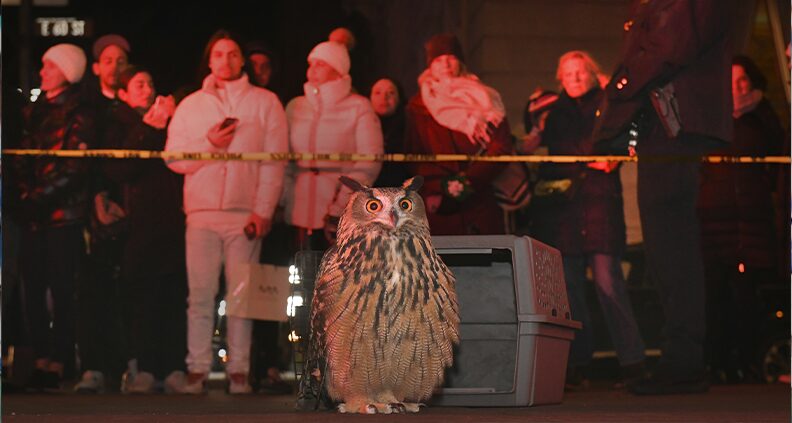
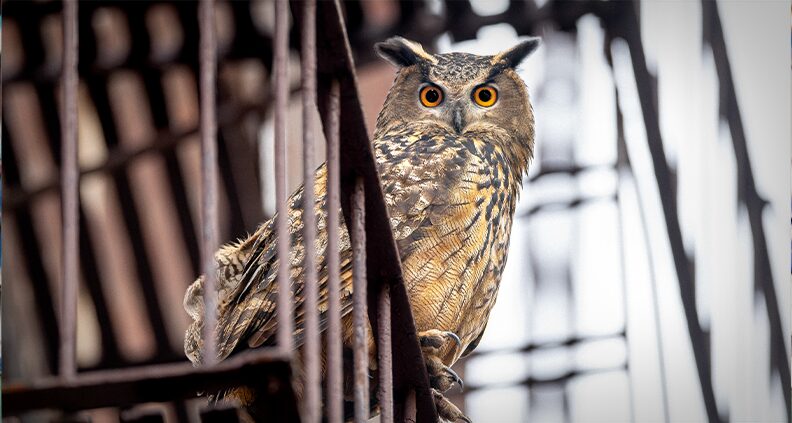
That is unless you’re director Penny Lane. A long time birder, Lane was sent a photo of a lost owl on the sidewalk on Fifth Avenue in Manhattan. “Those images were so engaging. I thought: Who is this owl? What is he doing on a sidewalk? Does he need help? ” she said. Her friend and fellow filmmaker Jeremy Workman came across the Eurasian Eagle Owl one night and thought of her [Ed Note: Watch our interview with Workman on his film Secret Mall Apartment].
The owl it turned out had somehow escaped from the Central Park Zoo and was named Flaco. Of course a loose bird on the street does not a feature-film make. Lane followed the story with interest, but the story didn’t solidify into a film until the zoo abandoned its attempts to recapture Flaco, and let him live wild in New York City.
Lane saw the passion both avid birders and everyday New Yorkers had for Flaco, and saw how looking at Flaco’s journey across the city could introduce new question:
Why does Flaco’s freedom resonate with us humans? What is the right thing to do with animals in captivity? How does our human perspective skew how we treat other beings? How should we look at the world?
Those issues are investigated in her new documentary Wild Inside, which premiered in Central Park, drawing a crowd of 1500+ and is now playing in theaters across the country, where it’s already grossed enough to make it a top 10 non-event documentary this year. We spoke with Lane about the film, and how broadening your perspective can lead to some unexpected places.
Tell me about how you first got interested in Flaco and how you decided this was a project you wanted to pursue.
So fun fact, the first person you hear from in the movie is a guy named Jeremy Workman. He’s the person who turned the corner and there Flaco was. Jeremy’s a very dear friend of mine.
He was sending them to me because he knew ‘Penny’s a birder’. Those images were so engaging. I thought: Who is this owl? What is he doing on a sidewalk? Does he need help?
I was immediately very invested, but I also knew it’s not normal for an owl to be on a Fifth Avenue sidewalk. It should be flying away. I just knew there was something very wrong.
I was the one who called the Wild Bird Fund, the rehab center, and I was tweeting out his location on Twitter because I thought maybe he’s a pet that got lost. I was involved from the instant that his story began. In earlier cuts of the movie, I tried to make that clear, but it was just very confusing for viewers to think Penny’s a character and I’m not. I just disappeared after the first five minutes. So we took it all out, but it’s fun context.
It didn’t turn into a movie idea until at least a month into the whole adventure, because by then the zoo had called off their rescue efforts and he was just going to live in the city. That was not the outcome that anyone was predicting.
To me, that was the story. I was watching this owl become an owl. And I felt like, as a long-time birder, I was ready. I’m a person who has read and thought deeply on the issue of what we owe our non-human neighbors. It was so deep inside me, my love of birds and my New York City birder connection. I feel like I was born to make this movie.
What was your thought process when it came to scripting?
You mentioned this was a story of Flaco becoming an owl. The film is so much about what this animal does, something as a filmmaker you have no control over. How did you see constructing a narrative?
The reason why I didn’t start the film until a month in was that the first month basically covers the first act of the movie. The first act is really what sets the table with all the questions and ideas that will follow: What will happen to Flaco?What will he do? How will he survive? Will he have a negative impact on the ecosystem?
When I was pitching it, I said, he’s going to die eventually because I know that owls and hawks don’t live long in New York City. They all die of rat poison. But I didn’t know if that would be five years or ten weeks. I also thought that he might just disappear.
I saw all these different paths of what could happen, but I had the first act in my head, and I knew that whatever happened would be worth tracing. That said, Flaco made all the decisions from that point on.
His choices ended up being great. Because first he chose to sit on his favorite tree, which was right on a major thoroughfare in Central Park. That is not what an owl would do. A normal owl would be hiding deep in the woods. It made the movie better. He was so fully on display for so long that every day there were crowds of people under the tree. That was amazing.
And then he left the park, which became the midpoint of my film. It’s a whole other chapter of him exploring these different neighborhoods, his mating behavior and the heartbreak that would never find a mate. He was exploring New York City, letting our cameras also explore New York City and get to know more people.
He also started hunting pigeons, which is part of what ultimately did him in. When he left the park, we all thought, ‘This is not good’ because there’s very little rat poison within the perimeter of Central Park. It’s a relatively safe place for him to eat rats. In residential areas, every single building puts out suitcases full of rat poison and every rat is full of it.
I was right to be worried. He only lived for a few months after that point.
When it comes to ‘casting’ the human characters, I’m sure that some of the birders you found through Flaco and being in the same places that they were but tell me about how you chose the ones to follow and then also a little bit about some of the other people who you found.
I started with the people who were already obsessively following Flaco day-in day-out, and that group was easy to identify from social media. I made friends with them and I think they liked the approach I was taking, and they thought I was respectful. That got me a long way in getting that cooperation.
The birders were first, and then as time went on, especially once he left the park, we wanted to meet people who had other types of encounters with him. We found that preschool class, they had been going to visit Flaco every week before he died and so that was how we connected with them.
I had an incredible producing team and three producers in the film and they were clutch. Because they were literally walking up and down the street everywhere Flaco had been seen, just talking to people. They were handing out flyers.
That’s how we found the food cart operator who had had this intimate experience with Flaco night after night, and the barber who not only had gotten these great photos of Flaco but was himself a wildlife photographer and was an expert on rodenticide.
And then in the edit, it was about distilling it down. The film’s a chorus. We interviewed a lot of people that didn’t make it into the movie, and they were all fantastic but ultimately, we needed each person to convey really just one or two ideas and convey them in the right time and place, and pin it to the board that way.
I want to talk to you also about anthropomorphizing. There is this tendency that we all have to want to create meaning in a story for Flaco. Ultimately though, his inner life is unknowable.
How did you balance that in the storytelling where this was part of the appeal versus deciding how responsible the impulse to anthropomorphize was?
It was a huge part of how the whole movie came to be. I would start by saying that we know that anthropomorphizing is a philosophical error. There are reasons that we should not assume that Flaco is just a person in an owl costume, like a Beatrix Potter character. He’s not. He’s an owl. He’s very different from humans in many ways.
There’s a kind of a dumb version of it that’s just like– he’s apartment shopping in the East Village. That’s obviously a joke. No one really thinks that, right? But it’s a funny, relatable thing. And I do think that most of that’s pretty harmless.
Where it gets harmful is when you start putting stories on the animals that are not true and they lead you to act in ways that are not true.
On the other end of the spectrum are people who are so afraid of anthropomorphizing an animal that they basically just refuse to imagine anything about what their inner life might be like. And I find that’s very common in the world of educated people who ‘know better’. That’s how we allow ourselves to mistreat animals, by assuming that there is nothing there, that they’re basically just unthinking, unfeeling machines. It’s so ridiculous. Anyone with a dog can see that.
I think we should look at the vast middle space here. I’m an animal. He’s an animal. We both want to do similar things in our lives.
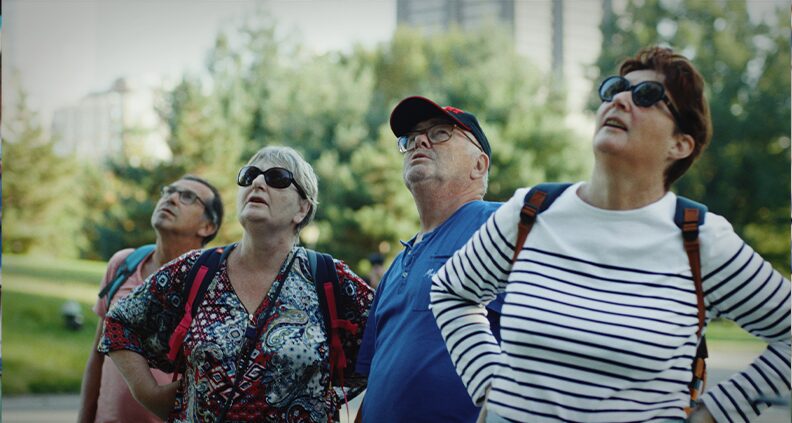
It’s not crazy to think that I could use my imagination to try to empathize with Flaco, using the best scientific information I have– what do we know about owls? How do they see the world? How do they hear? What are their behaviors?
But storytelling is what I think is so interesting, because you said earlier, we can’t help but assign meaning and story to Flaco.
I think that Flaco’s life had meaning to him. I can only guess as to what that would feel like. Did he feel the warmth of the sun on his face as he’s sitting there in a tree feeling the sunrise for the first time in his life? Do I think he might have enjoyed that? Yeah, I do, actually. It doesn’t really hurt him to have these empathetic feelings.
But you can’t ask Flaco what’s best for him.
So much of the film is about humans getting to decide what we think is best for him. And that’s where the discomfort comes in, because a dumb kind of anthropomorphism would misunderstand fundamentally what an owl is or what they really need. I didn’t want to do that, so the film doesn’t do that, but people certainly do.
You’re a birder as well. Why is birding so special and what made you want to share the world in this film?
A lot of birders have this experience where one day, almost out of the blue, your consciousness switches on and you suddenly notice birds and then suddenly see that the world has been full of all this color and movement and life.
For me, it felt as if I’ve been deaf and blind my whole life and then one day this whole world opened up to me, and it’s such a remarkable feeling. I remember the day it happened. I was hiking in the redwood forest, and I had this moment with a Winter Wren, and I just became a birder that day with no preparation for this.
So as a documentary person, over the years, I had wondered if I could make a movie about birding but birding is super boring to watch and it’s very hard to translate what that is onto a movie screen.
So that was why I felt like I was ready for this story when it came because I thought, this will be a way to help everyday people to look up and see. I always say look outside your window. You never know who might be on your air conditioner right now because most of the people that Flaco visited had no idea he was there. It’s not going to be Flaco next time but there are red-tailed hawks or mourning doves that do the same thing.
There’s a lot to see if you just look. I thought Flaco would be a great bridge for people to see what else they might be able to find if they just start looking.
Images courtesy of Sandbox Films: David Lei & Benny Polatseck
Film Independent promotes unique independent voices by helping filmmakers create and advance new work. To become a Member of Film Independent, just click here. To support us with a donation, click here.
Keep up with Film Independent…
Micro-Cinema City: Pairing Shorts with the Perfect Pour at Wine Cellar Cinema
In the new series Micro-Cinema City, we take a look at the DIY spaces and under 50-seat theaters across Los Angeles that are experimenting with different ways to exhibit exciting films and interact with audiences in new ways.
It didn’t look like a cinema. There was no marquee. No ticket booth. It was a quaint storefront with bay windows on a bustling La Brea Avenue. But for the sold-out audience going to Wine Cellar Cinemas, that was all part of the charm. The aptly named Curated Wine Shop played host to a screening of short films. The theme that night was Women Do Genre, and the minds behind Wine Cellar Cinemas, David Baxter and Dallas Miller, selected four short genre films, that ranged from a dark comedy about a vegetarian cult that screened at Sundance, to a single location showcase for some grisly special effects makeup. All of the shorts that night were directed by women.
There was a buzz as filmmakers and film lovers gathered for a pre-screening glass of Tempranillo or Merlot. If you wanted, the shop offered a tasting menu that the Wine Cellar Cinemas team created that paired a wine with each film screened, also all by female winemakers. As it got close to showtime, the audience crossed the threshold into an adjoining room retrofitted into a makeshift movie theater, where Baxter poured the first glass of the flight and told the crowd the story of the wine.
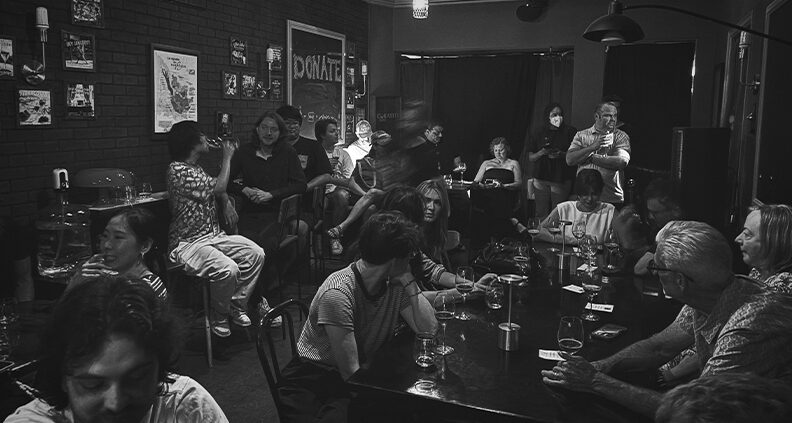
When it comes to the pairings, “we just take it very sincerely in a weird way, because it is something that that I’m very passionate about and I love doing,” Baxter said. The duo decide on pairings based on a few factors. “Maybe there’s something about the story or the filmmakers and how that matches with the winemakers or the story of the wine. But then aesthetically and tonally, what is it about the experience of drinking this wine that matches. Sometimes you’re countering that, where you’re like, ‘This movie’s a lot’. When a movie is grizzly and gnarly, you might want something to make you feel clean.”
Baxter started out in film. His last job was at Sundance, where he was on the digital team as the festival was forced to go all digital during COVID. As festivals went back to in-person, Baxter found himself falling in love with all things wine. Wine Cellar Cinema was an effort to stay in touch with all his friends and contacts in the film world. “The creative side of things is really what you miss if you ever leave the entertainment industry.”
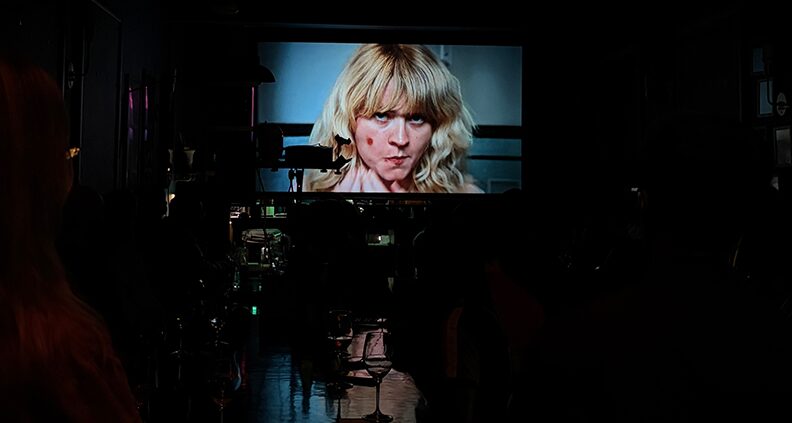
He started the podcast Vintertainment with his best friend Miller, where the two paired wines with films, and grew an audience there. They wanted to do a live event and paired a short with a repertory film at their first screening. They saw the short was what got the audience in the door. “That was kind of a hit of that night, which is what put it in our head, ‘Oh short films and have the creators there.’ That makes us something more special than just showing a movie,” Baxter said. “We don’t watch shorts at home, even people in the industry.”
Miller and Baxter leaned on their contacts to get an initial crop of films that they could program for the series. They then expanded their search online. The response from the makers of short films was enthusiastic. “I think from the filmmaker POV, you get your festival run. And then that’s it. It’s like it doesn’t exist as far as the world is concerned after that,” said Baxter. “That’s sad… Short films are as evergreen as feature films.”
On the night of Women Do Genre, Baxter told the crowd what made them want to put on the series. “Wine and movies are two things that are meant to be shared.” Miller then hyped up the crowd before the lights dimmed, asking “Who loves women? Who loves genre? Who loves women doing genre?!” The energy didn’t feel like a movie was about to start; it felt like the audience was a part of something alive.
What makes Wine Cellar Cinemas sustainable is that it was grown through community. At an early iteration, a producer of one of the films broke down what equipment the team would need to get the best picture and sound for future screenings. Miller and Baxter made the upgrades and worked with the wine shop to paint out skylights and black out windows. They swapped tips with Coffeehouse Cinema, another micro-cinema forming at the same time. And they grew their social presence being a part of Substack’s “Filmstack” community, a growing group of filmmakers and film writers supporting each other using the platform as a meeting place.
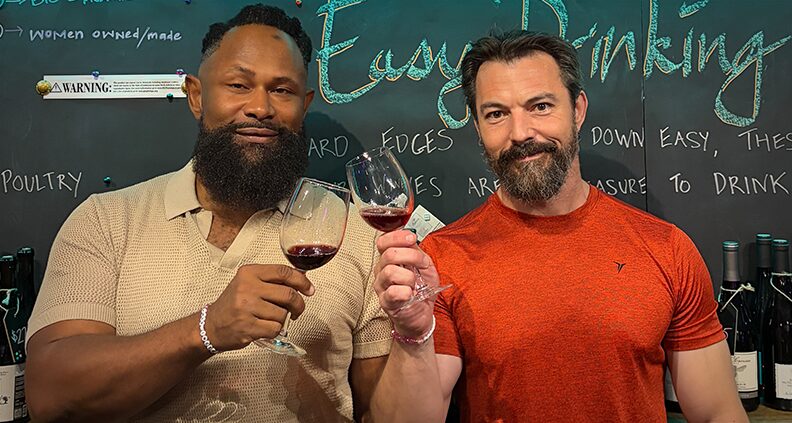
After the screening and Q&A, the shop stayed open past its normal hours to let the crowd discuss the films, meet the filmmakers and network. It ended up being a boon to Curated, who sold more wine that night than they did for the World Cup Final a month earlier.
As for Baxter and Miller, “the response has been so good that we’re having to rethink everything. We’ll have to pivot quite a bit to take in the extra demand and make sure that we live up to expectations.” They have already added a non-alcoholic pairing and are sharing their thoughts about how they’re improving and growing on their site. According to Baxter, the pair try to keep it all in perspective. “We have only done it a few times. We’re taking it one day at a time.”
Film Independent promotes unique independent voices by helping filmmakers create and advance new work. To become a Member of Film Independent, just click here. To support us with a donation, click here.
Keep up with Film Independent…
Don’t Miss Indies: What to Watch in September
It’s a month for some truly compelling films, many of which you can see right here at a Film Independent Presents member screening. But even if your selection happens to be fully booked, you can catch any of these in theaters or on streaming – documentaries on lesser-known victims of the Third Reich, immigration or concrete, narrative films on dancing, war, and getting back at your ex by producing a musical. The gamut of human experience.
BARBARA FOREVER
When You Can Watch: September 4
Where You Can Watch: Theaters
Director: Brydie O’Connor
Cast: Florrie Burke, Barbara Hammer
Why We’re Excited: “I’m creating a lesbian history in a world in which we are invisible,” says Barbara Hammer in Brydie O’Connor’s documentary of her life – most of which is seen through clips from Hammer’s 92 films. In an experimental film about an experimental filmmaker, O’Connor weaves together archival clips according to theme and content to let Hammer’s story and vision unfold without concern for chronological order. The feminist LGBTQ filmmaker died of cancer in 2019, but her life, body, identity and love affairs have been the subject of her films since 1968. Those love affairs culminated in a 30-year partnership with human rights activist Florrie Burke, who O’Connor interviews to lend insight to Hammer’s legacy as a trailblazer for future queer storytellers.


VALENTINA
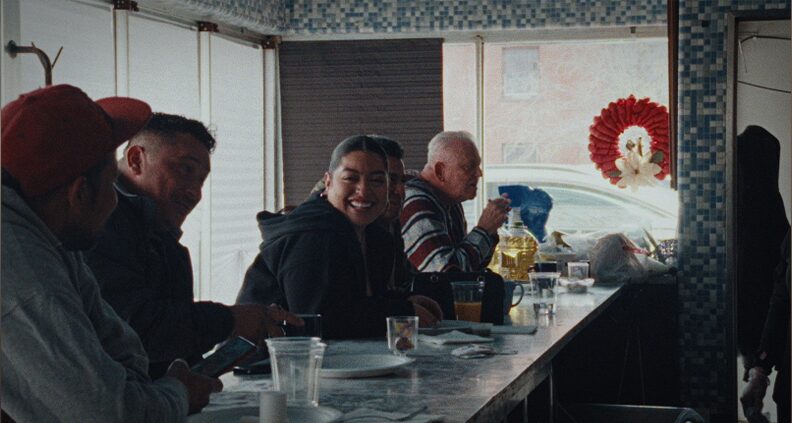
When You Can Watch: September 10
Where You Can Watch: Film Independent Presents: Programmer’s Picks
Director: Tatti Ribeiro
Cast: Keyla Monterroso Mejia
Why We’re Excited: Filmmaker Tatti Ribeiro won the 2026 Someone to Watch Award as an exceptional emerging director and Valentina proves to be a first feature that’s not to be missed. This Mexican-American border dramedy is all about the ordinary challenges of living on the edge of two countries. When Valentina (Keyla Monterroso Mejia, The Studio) sets out to pay her parking tickets, the simple task escalates as she travels between El Paso, Texas and Juárez, Mexico. Pinged back and forth by disruptions and limited funds, Valentina winds up on a 48-hour odyssey to deal with her responsibilities, personal realities and family impositions. Blending narrative and documentary styles, most of the film is unscripted, with real El Paso residents and even Mejia’s father and brother contributing lively roles to the screen. Film Independent member Jack Pearkes is a Producer.


DESERT ANGEL
When You Can Watch: September 14
Where You Can Watch: Film Independent Presents
Director: Vincent DeLuca
Cast: Mónica Larraenza, Rafael Larraenza, Indira Renderos
Why We’re Excited: Vincent DeLuca documents some of the search and rescue missions Rafael Larraenza and his team of volunteers have undertaken, going after people lost in the desert while attempting to cross the Mexico/US border. As a teenager, Larraenza successfully made the dangerous 3-day trek before managing to gain legal status and a good job to support his new family. But in 1997 he couldn’t ignore the pleas of a woman on TV whose husband was lost in the desert. What began as a one-time rescue mission became a life-long obsession that compelled Larraenza to search for lost and languishing travelers, helping them attain the better life that he himself has put on the line for their sake. Film Independent members Jillian Corsie is a Producer/Editor and Sandrine Cassidy is Consulting Producer.
HA-CHAN, SHAKE YOUR BOOTY!
When You Can Watch: September 16
Where You Can Watch: Film Independent Presents
Director: Josef Kubota Wladyka
Cast: Rinko Kikuchi, Alberto Guerra, Alejandro Edda
Why We’re Excited: Spirit Award nominee Josef Kubota Wladyka (Manos sucias) explores grief, dance and sex appeal with plenty of pizzazz. Haru (Spirit nominee Rinko Kikuchi from Kumiko, The Treasure Hunter) and her Mexican hubby Luis (Alejandro Edda, American Made) are a middle aged couple living a beautiful Tokyo life. They love ballroom dancing, which Haru records to watch back and critique for improvement. But when tragedy strikes, the ensuing grief strips Haru down to bare essentials – her dog now lives with her sister, her birthday goes unnoticed. Then her cousin visiting from America (played by You, Nobody Knows) immediately announces the remedy: she needs to shake her booty. Getting back into dance classes sends Haru on an adventure of infatuation and romance, with plenty of awkward moves but persistent steps.
THE SCREENER
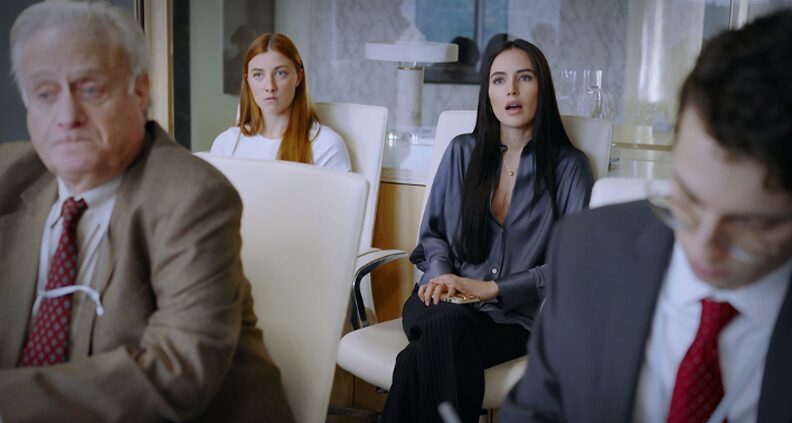
When You Can Watch: September 21
Where You Can Watch: Film Independent Presents
Creator: Jim Cummings
Cast: Shereen Lani Younes, Jon Rudnitsky, Boni Mata
Why We’re Excited: This 5-episode TV series from Spirit Award nominee Jim Cummings (Thunder Road) tackles every independent filmmaker’s nightmare – what if your film gets stolen? This is what happens to Minnie (Shereen Lani Younes, Fall), a gay Iranian filmmaker living in her van when her screener is leaked on the internet. In a satirical look at LA screener culture (the professional practice of sharing prerelease copies with film festival programmers and other promotion opportunities), Minnie navigates attitudes and platitudes from her agents while lawyering up to fend for her $5 million investment that is now reduced to a spicy collection of images of her online. Initially daunted by the risks of ruffling feathers in Hollywood institutions, the legal team rallies around Minnie’s story and the effect it’s having on her professional and personal life. Casting by Film Independent member Amey René.
ATONEMENT
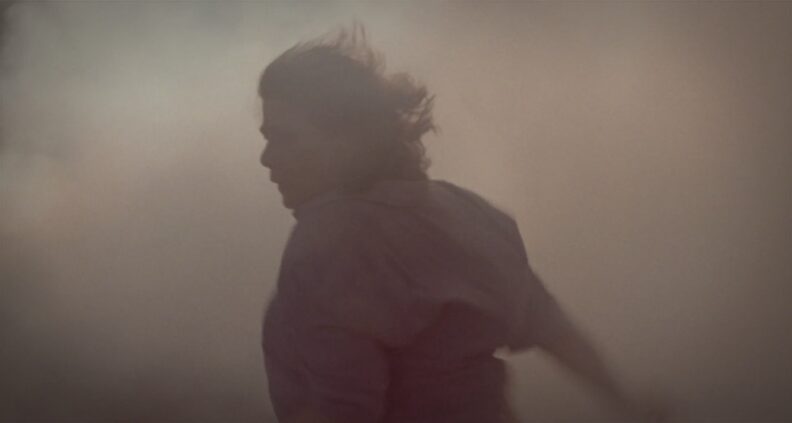
When You Can Watch: September 22
Where You Can Watch: Film Independent Presents
Director: Reed Van Dyk
Cast: Boyd Holbrook, Kenneth Branagh, Hiam Abbass
Why We’re Excited: Reed Van Dyk cried all the way through Dexter Filkins’ New Yorker 2012 article, “Atonement After Iraq,” then adapted it for the screen in his first feature. Putting us in the middle of an Iraqi family, we get close with Mariam Khachaturian (Hiam Abbass, Blade Runner 2049) and her husband, two sons, two daughters, and two grandchildren. Their comfy but wary wartime familial life hits tragic disruption when they intersect with a unit of U.S Marines. Among them is Lou (Boyd Holbrook, Narcos), sent to the border to fight an invisible enemy and firing on civilians by mistake. Ten years later, Lou is a haunted veteran in California who comes across an article written by Michael Reid (Kenneth Branagh from Spirit Award nominated Much Ado About Nothing). Now Lou’s wartime regrets have a point of connection with the Khachaturian family.
THE HISTORY OF CONCRETE
When You Can Watch: September 23
Where You Can Watch: Film Independent Presents: Programmers’ Picks
Director: John Wilson
Cast: John Wilson
Why We’re Excited: It’s the tale as old as time – creator pitches HBO series, creator is greenlit for HBO series, series ends. And now John Wilson (How To with John Wilson) has a new documentary idea with no crew, no budget, and apparently no caché from his recent success. Inspiration comes in the form of a workshop on writing Hallmark movies, spinning visions of aspirational escapism into Wilson’s development process. Can a documentary on ordinary structural material find an emotional point of connection? The cement itself is a jumping-off point for many related factoids and ephemera, taking us to Rome, New York and Ohio in search of the first paved road, distinct specifications about sidewalks, a cleaning lesson, and a notable piece of architecture. Wrapped up in the story of people and progress is a story about documentary filmmaking itself. Film Independent member Conor Hannon is an Executive Producer.
PEPI FANDANGO
When You Can Watch: September 24-28
Where You Can Watch: Film Independent Presents: Always Remember Virtual
Director: Lucija Stojevic
Cast: Peter Perez, Alfred
Why We’re Excited: Lucija Stojevic (La Chana) took ten years to unravel the story of Pepi, a Viennese Jew who was isolated in the Rivesaltes concentration camp at the age of 5. Pepi and his guitar-playing friend Alfred hit the road to listen to Spanish people sing fandangos, a bluesy minor style of flamenco that seems to both comfort Pepi and cause him pain. Now 85, the traumatized Holocaust survivor is taunted by the elusive sound; he keeps trying to write his own fandango and can’t. But on arriving in Spain, now it’s happier times and the singing no longer reflects the mournful style he remembers. “It is a film about living with pain,” says Stojevic in a Doxumentale interview, “living with trauma, living with something you can’t resolve. But it’s also a film about friendship.”
DISPOSABLE HUMANITY
When You Can Watch: September 24-28
Where You Can Watch: Film Independent Presents: Always Remember Virtual
Director: Cameron S. Mitchell
Cast: Cameron S. Mitchell, David T. Mitchell, Sharon L. Snyder
Why We’re Excited: A fresh take on Nazi Germany and its far-reaching influences, Cameron S. Mitchell looks beyond the Holocaust to explore its predecessor: Hitler’s euthenasia program for people with disabilities or in psychiatric care. While the Mitchell crew navigates institutions with limited accessibility, what starts as a family outing in wheelchairs becomes an investigation of the Nazi Aktion T4, which led to “mercy killings” for 300,000 people – the beginning of gas chamber technology. Mitchell’s family of Disabilities Studies scholars and filmmakers share detailed research on a hidden history of systemic bias toward anyone who doesn’t fit into conventional ideas of health. The film advocates for the T4 victims and their families, but also confronts the attitude that any human life could be classified as disposable. Film Independent member Nic Novicki is an Executive Producer.
PROGRAMMER’S PICK: THE MUSICAL
When You Can Watch: September 15
Where You Can Watch: Film Independent Presents
Director: Giselle Bonilla
Cast: Will Brill, Gillian Jacobs, Rob Lowe
Why We’re Excited: By Film Independent Senior Programmer Jenn Wilson–
When aspiring playwright/junior high school drama teacher, Doug (Will Brill) gets dumped by Abigail (Gillian Jacobs) for the handsome but somewhat dim-witted Principal Brady (Rob Lowe), Doug seeks revenge by putting on a school play that’s so bad it will ruin Principal Brady’s hopes of winning the Blue Ribbon of Academic Excellence. The Musical, a first-time feature for both director Giselle Bonilla and writer Alexander Heller premiered at the 2026 Sundance film Festival. Lead actor Will Brill imbues every frame of this angsty comedic masterpiece with bitter mad genius hilarity. There’s take after take of Brill just staring bitterly while the camera closes in on his face accompanied by Hitchcock-like musical flourishes, and yet you crave more of the over-the-top insanity of his jealous rage. This well-crafted and laugh out loud funny film is such a wonderful welcome to the fall awards season fare.
Executive Producers Tyler Boehm and Chris Quintos-Cathcart – as well as Writer/Producer Alexander Heller – are Film Independent members.
KEY
Film Independent Fellow or Member
Film Independent Presents Screening, Q&A
Microbudget
Filmmaker or Lead Characters of Color
Film Independent Spirit Award Winner or Nominee
Female Filmmaker
LGBT Filmmaker or Lead LGBT Characters
First-time Filmmaker

LA Film Festival Winner or Nominee
For over 40 years, Film Independent has helped filmmakers get their projects made and seen. The nonprofit organization’s core mission is to champion creative independence in visual storytelling in all its forms, and to foster a culture of inclusion. We support a global community of artists and audiences who embody diversity, innovation, curiosity and uniqueness of vision. To support our mission with a donation, click here.
Keep up with Film Independent…
How Union County Writer/Director Adam Meeks Made A Recovery Story That Felt Authentic
Applications for the Film Independent Screenwriting Lab are now open. The deadline for non-Members is August 31st, while Film Independent Members have until September 14th.
***
“I never wanted to shortcut the process of building real relationships. “Adam Meeks, writer/director of the new film Union County started the journey of making a film about the opioid epidemic after seeing what it did to his community in Ohio. As Meeks, a Film Independent Screenwriting Lab and Fast Track Fellow, learned more about it, he kept being led to Adult Recovery Court, a program that gives an alternative to jail time and includes treatment services, drug testing, and regular meetings with a judge. It was in one of those courtroom sessions that Meeks felt like there was a story that needed to be shared.
That was in 2018. One of the key elements that makes Union County resonate is how Meeks took time to develop the relationships with people in the Adult Recovery Court system in Ohio. One of those people was Annette Deao, a program director who became a close confidant, and who’s background in acting led her to play a version of herself in the film.
It was that kind of relationship building that got Meeks into the rooms where these programs were happening and where these lives were changing. The film captured real court sessions and recovery meetings, and weaved those into the story of brothers Cody and Jack, played by Will Poulter and Noah Centineo.
We spoke with Meeks about the interplay between the documentary and fiction, how that led to an authentic portrayal, and how the Film Independent Screenwriting Lab helped him weave the two together.
Union County is in theaters now.
This started as a short, I wanted to talk about what were some of the challenges of expanding it into a more fleshed out world.
It starts on the page, right? The kind of structure that can hold a 12-page story is very different from the structure that can hold a 95-page story.
I knew that the trajectory was going to be the same, but I wanted to tell the story over what’s called Phase One of the Drug Court Program. Annette, who runs the program and is also plays a version of herself in the movie, has spoken to me a lot about how the first phase is the most important one in terms of setting a foundation for success. It’s the hardest phase to complete because of that. If we saw a character at the end of the film moving into Phase Two, graduating from Phase One, then it could feel hopeful without saying this is the end of the story or that he’s figured everything out.
And then there were different relationships around him that I felt I could explore in more depth with the feature. Cody and Jack’s relationship and their arc, their relationship with Annette, a lot of that comes from stories that folks told me who had been through Annette’s program.
Then there’s finding the right collaborators, the actors and the money and resources to make it. This project took seven years between short and feature. And although that feels like a long time, it did feel like the amount of time we needed. To get all those pieces in place and for them to be the right pieces takes time when you’re making your first feature.
What first drew you to the story and when it comes to spending time in the community and how do you translate that experience to the page?
I’m from this part of Ohio. At the time I was really aware of the way that the opioid epidemic was directly impacting my extended family and friends. And I’d been meeting with folks and trying to get a sense of what was happening in my community and why.
And as I was asking questions, people kept pointing me towards local adult recovery courts. My uncle happened to know a judge that invited me to sit in on a meeting. In that meeting, I was immediately moved by the compassion and the empathy in that room, the joy and the humanity of people who were on the right track. The community that was surrounding them was helping them do so in a robust long-term program that’s intention was to give folks an alternative to jail time and an opportunity to get back on their feet.
The felt so radical to me. So with that, I thought of how I can make a film that shares what it feels like in this room. What immediately followed that thought was that I want to make this in collaboration with the community. Because the best, most authentic way to do that is to allow individuals and the community to step forward and tell their own stories.
That was in 2018, and since then I developed a really close relationship with Annette Deao, who’s the program director. She’s like family to me now. She’s so trusted and beloved in her community that people were instantly willing to meet with me. I was able to express my intentions– that our intention was to celebrate and bring dignity to the process of recovery.
The judge in the film, through Annette, also became a friend and somebody who believed in what I was doing. I never wanted to shortcut the process of building real relationships.
Because the more time you spend with people, the more collaborative and open and trusting the process becomes. Throughout the first couple years of the pandemic, I would spend chunks of time in central Ohio with Annette, with the participants of the program, sitting in on open NA meetings, spending time in drug court and even recovery bowling events. There are folks in the movie who we invited to film with who I had known for four or five years.
Tell me about writing a screenplay with sparse dialogue. Did that present unique challenges for the script?
It was important to me that, because we were incorporating these documentary testimonials and interactions with folks in the community, that that the fiction that I wrote could feel observational and as close to the authentic experience of the doc stuff as possible, while still obviously being fiction.
One thing that I realized is that exposition works differently in observational documentary because, for example, when the brothers are getting reconnected and are working at the woodshop, they’re not necessarily then telling you all about their backstory. They’re just at work. And so, what that meant is that the writing became about the way they don’t express and are holding back how they feel.
We chose to trust the viewer to hold on until the moments where Cody is finally coming into his own body and getting more comfortable with himself again. When he does start to tell his own story, it feels natural to his development in the program, and it feels earned in the language of the movie.
What made you want to apply for the Screenwriting Lab and where were you with the script when you applied?
I was a couple of drafts and maybe two years into writing it. I had a couple of producers on board but had not really shared it more widely than that, and I felt like there was a bit more rigorous work to be done.
I think that I was more confident in the script than I deserved to be. What was really helpful was, this being my first film, to be able to bring something that I felt really energized by and to take that into the Lab and have it be challenged in all the right ways, and to not get to not let myself get too comfortable with something that was maybe 70 percent there.
I also knew several folks who had kind of gone through Film Independent programs and Labs and had been become part of the Film Independent family. That kind of relationship was something that I wanted. Even in the pitches and the development of the pitches, I developed professional relationships and even a couple of friendships that have continued since.
You mentioned that the Lab changed how the first 15 mins were laid out. What were those changes and what lessons did you take from that?
There was a lot that I think was implicit in the first 15 minutes that working with mentors and peers in the lab and specifically with Robin Swicord, I was encouraged to make much more explicit. A lot of that comes in an intake meeting with Annette and the parole officer when they’re outlining the rules, the processes and the stakes of the program. At the time, what I did not have in that scene were the stakes.
There’s a line where the parole officer says ‘There’s no rubric, we run this kind of case by case, but back to jail is always an option,’ teasing out the larger context for how this programfits into the justice system and also what the stakes might be for Cody as he enters into this.A lot of that was implicit and I was really encouraged to make it explicit.
Sometimes in writing, you get too far ahead of yourself, or you assume too much what the audience might already know or feel. And what Robin, and Ruth Atkinson, and I think the labs in general were so helpful at was being like, ‘OK, that might be true in your head, but that’s not here on the page yet. How can we make this resonate even more? How can we help the audience engage and emotionally connect as much as possible?”
How did Fast Track contribute to the film getting made?
Quite literally, two of our three financiers came out of Fast Track. We were clear beneficiaries. I remember feeling like it also brought me and the two producers who were doing it with me, together in this meaningful way. By the end of it, we were so much closer, and we knew exactly how to talk about the movie together.
Then there are a bunch of folks who I met to who I’m now talking to about another project or ended up putting in a good word for me with an agent or or a distributor. In fact, our first meeting with Oscilloscope Laboratories, who are distributing Union County, happened during Fast Track. It was an amazing way to meet a lot of meaningful people in the business in a two/three-day period of time. It’s crazy, but it’s worth it for sure.
What would you say to a screenwriter thinking about applying to the Screenwriting Lab?
I would say unequivocally 100 percent apply. Even if you don’t get in, your script will be further along and your knowledge of your project and process will be further along by just getting the project to the place where your application is ready. If you do get selected, it’ll change the trajectory of your film. And if you’re like me, it’ll change the trajectory of your professional life.
Applications for the Film Independent Screenwriting Lab are now open. The deadline for non-Members is August 31st, while Film Independent Members have until September 14th.
Film Independent promotes unique independent voices by helping filmmakers create and advance new work. To become a Member of Film Independent, just click here. To support us with a donation, click here.
Keep up with Film Independent…
Is Gen Z a Sexless Generation? Gregg Araki Is Asking, and We Are Listening
It’s beyond question now as to what Gregg Araki, a pillar of the New Queer Cinema movement, spent his time pondering over in his twelve-year hiatus from filmmaking: What is up with Gen Z and sex?! Late last month, Film Independent members were treated to an advanced screening of Araki’s hotly anticipated film, I Want Your Sex. The screening was followed by a Q&A with the cult auteur, where he revealed that from what he gathered and was ultimately inspired by, not much.
The film follows the BDSM relationship between twenty-something intern Elliot (Cooper Hoffman) and his boss, a renowned mixed media artist, Erika Tracy (Olivia Wilde). Elliot is a slightly-to-very clueless zoomer, and when it comes to sex, his knowledge leaves something to be desired. Erika is a world wise millennial, and basically a pleasure deity incarnate. I think we can figure out the power dynamics in their erotic arrangement. Their relationship fuels the discourse at the center of the film, and brings us back to: What actually is up with Gen Z and sex?
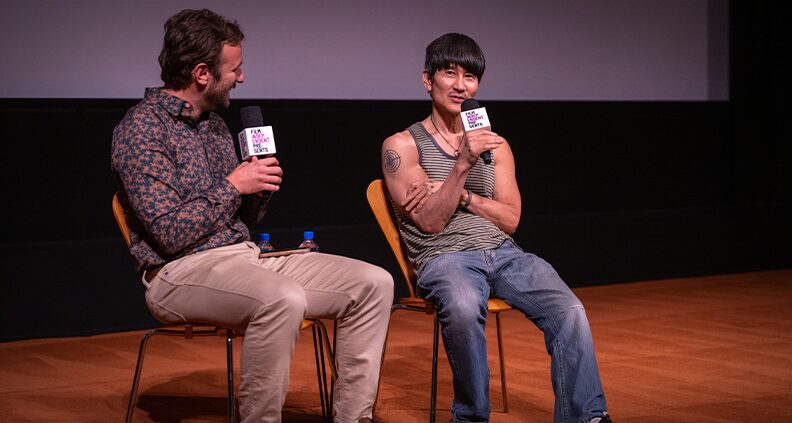
According to Erika, Gen Z isn’t shaping up to be as sexually liberated compared to other generations before. She’s perplexed by this idea, especially since—as she says—Gen Z is more of the “FOMO generation.” Well, as the first generation to grow up completely immersed in the digital landscape we all know today, us zoomers (the cat’s out of the bag) are socialized into learning new pieces of media, news, and events at an excessive level not previously seen. This immediate endless river of options, of all the things we can consume or do, certainly keeps our fingers busy, but are we missing out by not jumping on each other’s bones enough?
In the Q&A, Gregg Araki shared that Erika Tracy is representative of him in some ways, and her outlook on Gen Z’s relationship with sex is one of them. He isn’t saying that zoomers are completely or mostly celibate—talk about a dystopia—but rather that the generation at large has formed a particularly restrictive relationship with sex.
It’s at this time that I must mention the COVID-19 pandemic. It disrupted all areas of life, one of those areas being the social life of a maturing generation. Illness, lockdowns, and the “6-feet apart” rule drilled into everyone are aspects that may have lingered post-pandemic and seeped into Gen Z’s sex lives. Also, with the rise of technology, AI and chatbot usage are increasing as well. This includes sexual/romantic chatbots. So, if someone feels like connecting with someone else without putting in the effort that’s expected, “someone” is just a few clicks away now. Sure, phone sex and companion hotlines have existed since the 80s, but even those voices on the other end were people. These are just a couple of hypotheticals, and that’s the point. Araki wants to talk about the future of sex, not just Gen Z’s relationship with it, and those are my two cracks of the whip.
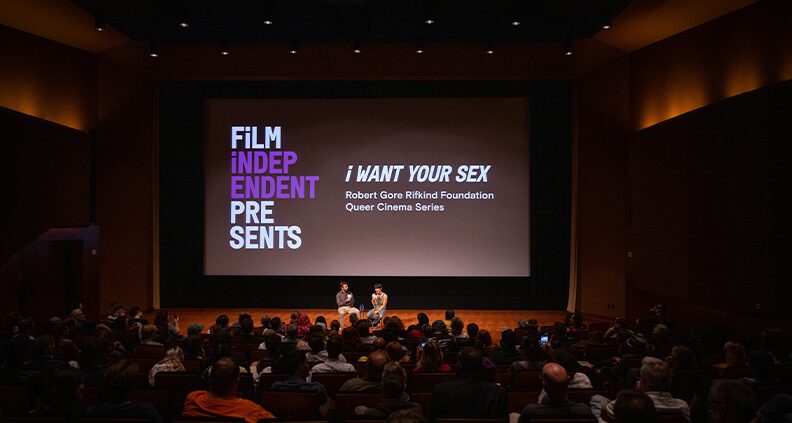
It has been over a decade since his last feature-film, White Bird in a Blizzard (2014), a serious drama that revolved around a teenage girl’s emotional journey after her mother goes missing. Araki doesn’t usually do dramas, so that project felt like him challenging himself with somewhat unfamiliar waters, whereas this follow-up project feels like he’s challenging himself with more familiar waters. The kinky comedy-drama calls back to his earlier works that distinguished himself from the other 90s indie darlings. He simultaneously taps back into that DNA and expands it, resulting in a cerebral romp that is an absolute pleasure worth experiencing.
He carved-out a lane all his own with alternative and shameless explorations of sexuality and youth culture, through a creative lens that can best be described as a union between pop art and YBA (Young British Artists) art. I Want Your Sex sees Gregg Araki continue to explore these themes through his signature style, and go the extra mile by putting himself in the minds of young adults today with the anxieties that plague us beyond sex. The film also tackles social interaction, surveillance, job security—he gets it, and we’re thrilled he brought his current ruminations onto the big screen.
Film Independent promotes unique independent voices by helping filmmakers create and advance new work. To become a Member of Film Independent, just click here. To support us with a donation, click here.
Keep up with Film Independent…
How These Future Filmmakers Learned to Fight Through the Fear
“We had hair malfunctions; we had actors who quit 30 minutes before they were supposed to show up… There were camera malfunctions, batteries lost. It was a hot mess,” said student director Sophie Mercado. “I was scared… But I it just it came together so beautifully.”
Whether you’re just starting out or have multiple successful shows and films under your belt, working through the difficulties is what allows you to grow. Mercado’s short Pressed was one of fourteen films screened at this year’s Film Independent Future Filmmaker Showcase that proved this point.
First time director Audrey Chang agreed. Her film Through My Eyes raises awareness for a rare genetic disease her sister has, and she’s already thinking of her next project. “A lot of the mistakes and things that I struggled with, I got to learn from, for the future.”
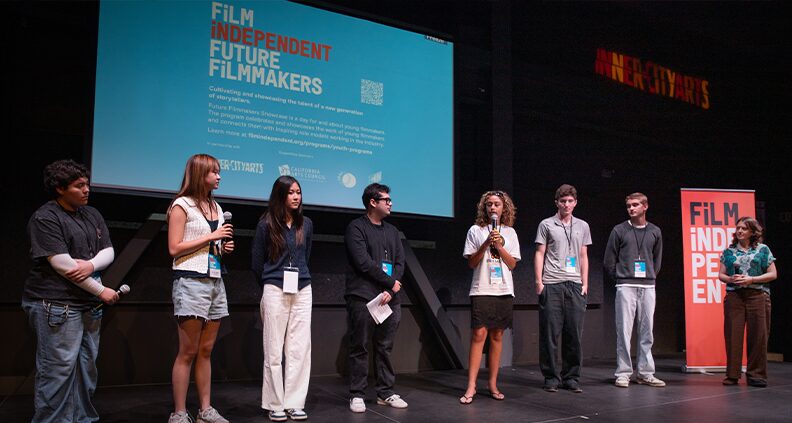
Maria Raquel Bozzi, Film Independent’s Senior Director of Education and International Programs, opened the program by describing its reach: “the journey we’re about to embark takes us from Kuala Lumpur, Malaysia to Culver City, California in just 90 minutes.” The program brought together middle and high school students from across the country and around the globe. The student directors screened their films, all selected by a committee that included youth curators.
But the Showcase was more than just a screening of films from exceptional young talent. This program was also curated by a group of students, who gained insight into what happens behind the scenes of a film festival. After the credits of the final film rolled, the students and curators got the opportunity to speak with Film Independent Fellows about building careers in film, and then sit in on a Keynote address from Roshan Sethi, a writer, director and practicing oncologist, whose films and series The Resident, 7 Days, World’s Best and A Nice Indian Boy have led him to being one of the most vital voices in Hollywood today.
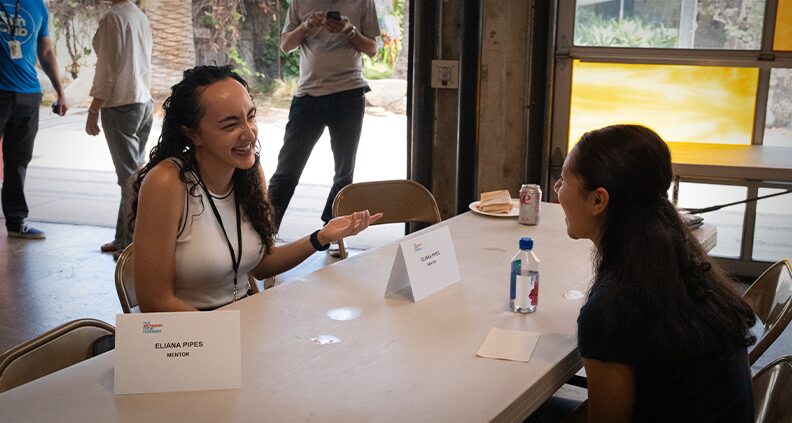
In a vulnerable address, Sethi recounted some of his own failures and missteps on his path to an established Hollywood career. “I think that is actually the hardest part, when you’re early on in your creative journey, is believing in yourself in the face of indifference,” he told the students. “The number of times I felt that I didn’t have what it took and still persevered despite that feeling, is just, hard to even believe at this point.”
Coming from a formal education in medicine, writing intimidated him, and he admitted it didn’t come natural at first. “I really felt, pretty embarrassed and humiliated by those early attempts to write, because they had been met with such a solid no.”
He spoke about finding his own community after not having the support system where he came from. “There was nobody in my family was encouraging me to go into the arts,” he said. “We were children of immigrants. So [that was] the last thing an immigrant is going to do when they arrive in the country. The whole ethos is around survival.”
He ended up drawing strength from hisbackground. “I eventually found my own community by relentlessly believing in my desire to do it.” He cold emailed producers of all the top medical dramas and asked about helping out as a consultant. That (and a little white lie about his experience level) led him to finding his first mentor. She brought him on to consult on a pilot and then helped him get his first staff writing job.
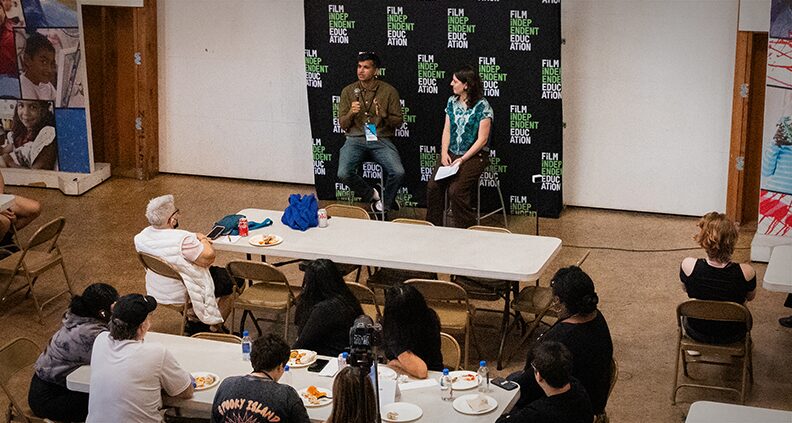
To this day, Sethi finds ways to work through his anxieties. “I still make myself write for only two hours every morning… I don’t have time for self-doubt because I’m moving at such a blistering pace. So that’s one of the ways I still deal with those lingering effects of rejection.”
The keynoted reflected the journey the students had that led them from places like Baltimore or Berlin to an LA industry showcase like this. They pushed through the discomfort, and came out with films that they could be proud to show. This is just the start of their filmmaking journey, and if the keynote is any indication, all that discomfort shows they’re on the right path.
Film Independent promotes unique independent voices by helping filmmakers create and advance new work. To become a Member of Film Independent, just click here. To support us with a donation, click here.
Keep up with Film Independent…
Biggest. Grant. Ever. Film Independent Awarded $2.55 Million From Perenchio Foundation
What started in 1981 with a small band of pioneering directors, writers and producers is poised for a new era of growth, thanks to a philanthropic investment of $2.55 million from the Perenchio Foundation.
“At a time when our industry is undergoing profound change, this support gives Film Independent the opportunity to build a more resilient organization,” Fi President Juan Devis told IndieWire, “[to] strengthen our artist ecosystem, expand our role in the creative economy, and ensure that the next generation of filmmakers has the resources, community, and platform to thrive. We are profoundly grateful for their partnership and confidence in our vision.”
The grant goes to work during the next three years, cementing our status as a leading Arts Institution in Los Angeles and underscoring the vital role of film and media arts in the city’s nonprofit arts ecosystem. “What we are investing in is not a program or a season,” says Perenchio CEO, Stephania Ramirez. “It is the infrastructure behind the work — the staffing, the systems, the reserves that allow an organization to absorb a hard year without losing what took twenty years to build. That is what multi-year unrestricted support makes possible, and it is the only kind of investment the Foundation believes is worth making.”
Significant to Film Independent is how Perenchio recognizes film and media arts within the broader Los Angeles nonprofit arts sector. Large-scale arts funding has tended to favor other cultural institutions and art forms over film and media. We’re proud to be changing that conversation, and showing why the cinematic arts are just as important to support, especially in changing times.
Film Independent will continue to focus on strengthening partnerships with other Los Angeles-based arts nonprofits and bringing together audiences and artists. Los Angeles is where we were founded, and while we have a global reach, we call L.A. home, and we will continue to show up for the L.A. community.
From the organization’s early days in the 80s to present-day, connecting artist development with public-facing cultural programming remains a core tenet of Film Independent’s work, supporting filmmakers throughout the lifecycle of their projects—from production and funding through distribution and celebration—while building the knowledge, networks and community that sustain creative careers.
About Perenchio Foundation
Established by the late A. Jerrold ‘Jerry’ Perenchio, the Perenchio Foundation believes the arts are essential to how communities see themselves, sustain themselves, and grow. The Foundation is committed to creating lasting impact in Los Angeles by investing in
arts organizations that embody quality, accessibility, and permanence. Learn more at perenchiofoundation.org
Film Independent promotes unique independent voices by helping filmmakers create and advance new work. To become a Member of Film Independent, just click here. To support us with a donation, click here.
Keep up with Film Independent…
Fiscal Update: Over the Finish Line
Welcome to Fiscal Spotlight, a special monthly round up of projects—at all stages of production—working their way through Film Independent’s Fiscal Sponsorship pipeline. Enjoy!
***
Film Independent’s Fiscal Sponsorship program has supported all sorts of projects: shorts and features, narrative and nonfiction. Oh, and a few new media projects, special events or advocacy initiatives. Each month’s Fiscal Spotlight column highlights three new projects taking part in the program.
With the power of Fiscal Sponsorship, these projects end up getting made, and from time to time we love to feature some of those successes. Once again it’s time for another Fiscal Update.
This month we have exciting news from three films, all with a little left to raise to be either start shooting or wrap post. They include a twisted neo-noir about two stripper roommates, a coming of age story at a rest stop, and a sci-fi rom-com about avoiding the right thing to do.
Betty & Mary: Neighbors
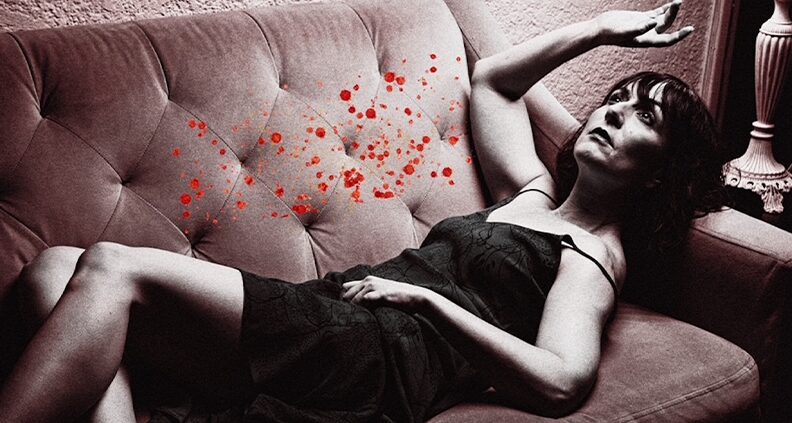
Project type: Fiction Short
Project status: Post-Production
Writer/Producer/Lead Actor: Dana Lyn Baron
Director: America Young
Producer: Stephanie O’Neill
About the Project: After murdering their sleaze-ball boss and blowing up their workplace, two dysfunctional strippers — one jaded, one guilt-ridden — try to lay low, shake off the hangover, and figure out if their new neighbor with wings is here to help… or just judge the shit out of them.
Filmmaker Update: We’re thrilled to share that Betty & Mary: Neighbors has officially wrapped production. As the second chapter in Dana Lyn Baron’s award-winning Betty & Mary trilogy, this has been an exciting and ambitious chapter for our team, and after months of fundraising, planning and preparation, it was incredibly rewarding to bring the film to life with an extraordinary cast and crew.
In this twisted new installment, Betty and Mary land in another parallel universe – this time as two strippers navigating guilt, survival and a mysterious new neighbor who may be there to help them… or judge the shit out of them. Now we’re deep in post-production, shaping the film through editing, sound, score, color, visual effects and all the finishing work that will bring Neighbors fully to life. Film Independent’s fiscal sponsorship support has been instrumental in helping us reach this stage, and we’re grateful to be moving into the next phase with so much momentum as we continue raising the final funds needed to complete the film.
Night At The Oasis
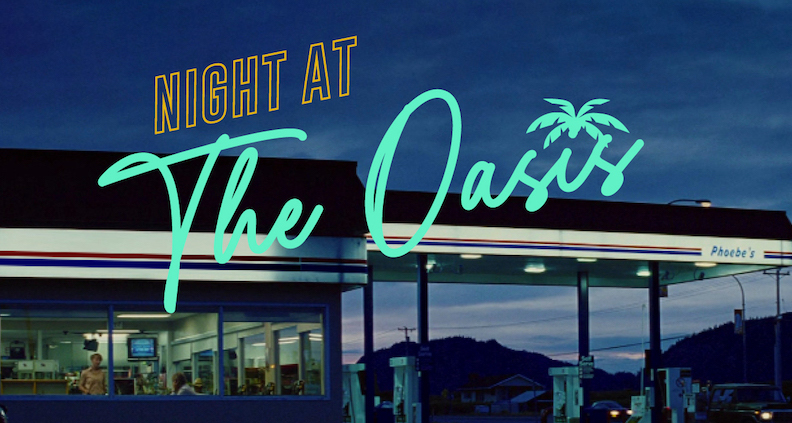
Project type: Fiction Feature
Project status: Development
Writer/Director: Kim Caicedo
Producer: Heliya Alam, Warner Davis
About the Project: At a Florida highway rest stop, a sheltered pre-teen is accidentally abandoned while accompanying her truck driver father on a delivery.
Filmmaker Update: After receiving overwhelmingly positive responses at Sundance 2026 and Cannes 2026, we’re incredibly proud to share that our film is now 80% funded. We couldn’t have come this far without the supporters, believers, and partners who saw the potential in this story and believed in what we’re trying to create. With an incredible cast attached, a powerful script, and a passionate crew behind it, we are on track to bring this film to life this year.
But we’re not at the finish line yet. With the remaining 20% of our financing still to raise, we’re asking our community to help us take this project across the finish line. Every contribution brings us one step closer to making this story a reality. At its heart, this is a story about belonging, and what it means to grow up feeling caught between two worlds. It is raw, heartfelt, and deeply personal, shining a light on the experiences of second-generation immigrants who may struggle to find their place, their identity, and a sense of home.
Oh, No!
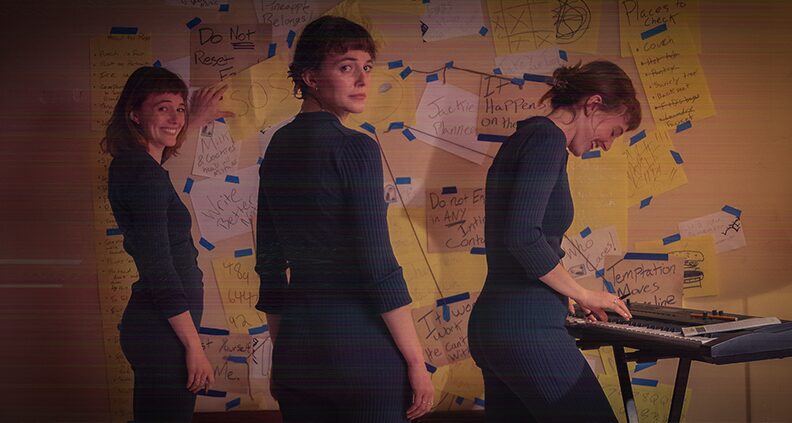
Project type: Fiction Feature
Project status: Development
Writer/Director/Producer: Scott Mckinney
About the Project: Isla broke her simulation to avoid fate forcing her to break up with her boyfriend, Ezra; now, she’s living in a self-induced time loop.
Filmmaker Update: Our crowdfunding campaign ends the middle of August as we find the last bit of funds needed to start filming in September. Twelve of our 15 days of principal photography will be done at a beautiful home in the front range of the Rocky Mountains outside of Golden, Colorado. We have been in the thick of finishing crewing, shot designing, fundraising, and other pre-producing work.
In the next few weeks, we’re excited to rehearse with our stellar cast and bring this broken simulation and unique story to life. Anna Telfer leads with Skyler Bible, Hilty Bowen, and Brian Barlow supporting. Anna has music to master, she and Brian have a fight scene to rehearse, Skyler and Brian have a dance to perfect, and Hilty has to polish a Southern and a British accent. Though we will be able to start production, we are still raising fundings through the fiscal sponsorship to help us through post and potential pick up days.
Learn more about Fiscal Sponsorship, including its benefits and eligibility requirements by visiting our website. See which projects are currently being supported via our Sponsored Projects page.
Film Independent Artist Development promotes unique independent voices by helping filmmakers create and advance new work. To support our work with a donation, please click here. Become a Member of Film Independent here.
Keep up with Film Independent…
Film Independent Names Six Writers to the 10th Annual Episodic Lab
Ten years in, Film Independent’s Episodic Lab is still doing what it does best: finding writers with a distinct voice and giving them the room, and the mentors, to sharpen it. This year’s cohort is officially set, and we’re proud to announce that this year’s Fellows are Lauren Ferebee, Kristian Mercado, Nikki Palumbo, Sam Schaefer, Val Tan, and LaDarrion Williams. Running August 10 to 21, the two-week intensive pairs writers with original TV pilots with personalized story and career development.
The Lab celebrates its 10th anniversary in 2026 with Netflix returning as Founding Sponsor, continuing its commitment to giving Fellows real exposure to how shows actually get made and produced.
This year also brings a notable honor: Nikki Palumbo has been awarded the $20,000 Alfred P. Sloan Foundation Grant for their pilot Personality Hire. The grant goes annually to one Episodic Lab Fellow whose project meaningfully weaves science or technology themes and characters into a dramatic story, and it will support Palumbo’s development of the pilot throughout the Lab.
In the Lab
The Episodic Lab is an in-person program built around access: Fellows get personalized feedback from working showrunners, creative producers, and executives, learning to revise their pilots while also learning how to navigate an industry that keeps shifting under everyone’s feet. The program wraps with a networking and pitch event, where Fellows introduce themselves and their work directly to studio and network executives.
“We are thrilled to be celebrating ten years of championing visionary writers through the Episodic Lab. We are proud to welcome the new cohort of bold and inventive storytellers to the Lab, where we will further hone their visions and support the advancement of their careers in entertainment,” said Dea Vazquez, Associate Director of Fiction Programs.
This year’s roster of Creative Advisors and Guest Speakers includes Akil Rashad Anderson, Olivia Blaustein, Mel Eslyn, JaNeika James, JaSheika James, Henry “Hank” Jones, Justin S. Lee, Montserrat Luna, Caroline Mak, Glen Mazzara, Colleen McGuinness, Robbie Pickering, Loretta Ramos, Gina Reyes, Beth Schacter, Ellen Shanman, and Ligiah Villalobos.
Now let’s meet the 2026 Fellows and Their Pilots:
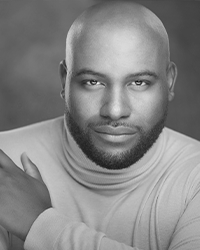
LADARRION WILLIAMS
Title: Crescent Sun
Logline: A precocious Black teen has his life turned upside down when he finds a supernatural amulet that awakens an ancient African demigod… who resembles his likeness along with a vengeful high priest that begins to wreak havoc on the modern world.
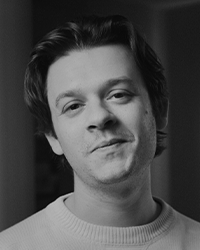
SAM SCHAEFER
Title: Cult Like Activity
Logline: Following the sudden dissolution of their cult, two lost twenty-somethings realize they only have one option: start their own.
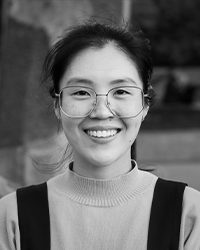
VAL TAN
Title: Dancing in a Forbidden World
Logline: In 1950s San Francisco, a disciplined Chinese-American ballerina secretly joins an Asian burlesque nightclub, but as her popularity rises, her double life becomes impossible to conceal.
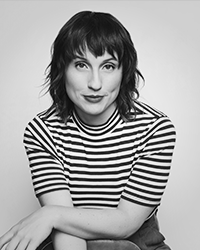
LAUREN FEREBEE
Title: Family Dynamics
Logline: When scandal shatters a legendary New York music dynasty, a gifted cello prodigy and her ambitious family must choose between protecting their legacy and being true to themselves.
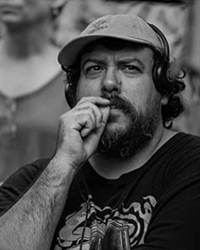
KRISTIAN MERCADO
Title: The Hustler
Logline: When a once-legendary hip-hop manager is pushed out of the industry by younger, data-driven execs, he gambles everything to rebuild his career by managing a reckless reggaetón prodigy, only to find himself pulled into a dangerous web of ambition and fame in modern-day Los Angeles.
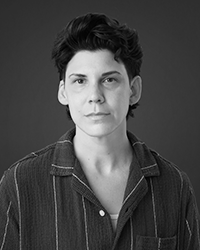
NIKKI PALUMBO
Title: Personality Hire
Alfred P. Sloan Foundation Grant Recipient
Logline: An unlikely working relationship develops between an overzealous tech billionaire and a reluctant writer who realizes the only way to make artificial intelligence any better is to fix the broken real world it’s trained on.
A Track Record That Speaks for Itself
The Episodic Lab has a way of launching careers. Past Fellows include April Shih, who has written on FX’s Fargo, Dave, and Mrs. America, and struck an overall deal at FX Productions. Kimi Lee wrote on Amazon’s Expats and Apple’s The Morning Show, then sold her own series, $ugar, to Hulu after a four way bidding war. Henry “Hank” Jones, who now also serves as a Guest Speaker for this year’s Lab, has written on ABC’s Will Trent and Apple’s Truth Be Told. Justin S. Lee, who created the series Recap with Fifth Season also returns as a Guest Speaker.
Film Independent promotes unique independent voices by helping filmmakers create and advance new work. To become a Member of Film Independent, just click here. To support us with a donation, click here.
Keep up with Film Independent…
INTERVIEW: ‘Cookie Queens’ Director Alysa Nahmias on Big Screen Documentaries & Cookie Capitalism
This week we’re seeing something exceedingly rare come to the local cineplex: a feature documentary not anchored by a celebrity or music performance. Hot off of her recent acceptance of the Film Independent Changemaker Award, documentarian and Film Independent Fellow Alysa Nahmias is coming to the big screen with her latest feature Cookie Queens which releases nation-wide August 7th.
The film follows four Girl Scouts over the course of one cookie-selling season, as they push Thin Mints, upsell Tagalongs, and try to reach the goals they set for themselves. Nahmias is known for directing documentaries about the art world like Art & Krimes By Krimes, The New Bauhaus and Unfinished Spaces, but came to the world of Girl Scout Cookies by engaging with her two daughters. She found there was plenty of interesting themes to baked into the idea– including gender inequality, ambition, fair compensation, and the lessons we teach our children about living in a world where everything is for sale. That tension between the lighthearted and the thematically-rich interested Nahmias. “What I found with Cookie Queens was a balance between familiarity and surprise,” she said. “There’s a film audiences might expect from this subject, and then there’s what we actually made. I want to take people somewhere they didn’t expect.”
The bet that Nahmias and her distributor Roadside Attractions is making, is that the sweet hook of watching the girls trying to meet their sales goals will let the film tackle some of these thorny questions. We spoke with Nahmias about her personal connection to the world of cookies, and what a theatrical documentary looks like in 2026.
What was your connection to Girl Scouts and cookie selling, and what drew you to making this film?
My 9 year-old and 11 year-old kids watched the last film I directed, liked it, and then they challenged me to make a documentary that they’d really want to share with all of their friends. Soon after that, my producer told me about a girl who had really impressed him selling Girl Scout Cookies at a restaurant. I immediately knew this was the film I had to make. Not only is the Girl Scout Cookie sale a vibrant visual world full of amazing characters, but the way my male producer described this young woman shifted: first she was “cute,” and then suddenly she surprised him as super smart and savvy. I could see myself in that girl, both from my own childhood and as a woman. There’s sometimes a real gap between how we see ourselves and how the world sees us. In an epiphany moment, I realized that cookie selling was a way into something much larger — girlhood, capitalism, how girls are taught about value and our place in the economy. It was never only about the cookies. I wanted to represent girlhood more three dimensionally than we typically see it on screen.
What was the development and fundraising process like?
Cookie Queens is completely independently produced, funded through grants from Sundance, Ford Foundation, Artemis Rising Foundation, the Harnish Foundation, and others, alongside some independent equity financing. My producers and I pitched the project at the Sundance Catalyst Forum development slate in 2023, where we secured seed funding. That support gave me room to develop my creative approach and dig into references — films that took childhood seriously, that saw kids as complex characters. I was looking at Moonrise Kingdom, The Florida Project, and Petite Maman, for example. That process shaped the whole aesthetic of the film. I decided there would be no sit-down interviews. Everything would be observational, entirely in the moment, and that I wanted to capture the way the girls perform femininity when they’re selling, how that mode turns on and off.
How did you find your subjects, and how did you build trust with the families?
We cast a wide net. Part of the Sundance Catalyst funding allowed us to hire a casting producer, Whitney Adams, who did excellent work with grassroots outreach through parent groups on social media and Girl Scout troop leaders, who are extremely well organized. My producer Jen Sims and I attended the National Girl Scout Convention and spent time visiting families before we ever turned on a camera, just getting to know them, being honest about the commitment and trust that documentary filmmaking requires from both sides.
I was looking for kids who genuinely worked hard at selling, who had real strategies and imaginations, who could be comfortable with a crew and open about their inner worlds. I told them from the beginning: I don’t care how many cookies you sell. I care about what happens along the way, what you discover about yourself or the world this cookie season.
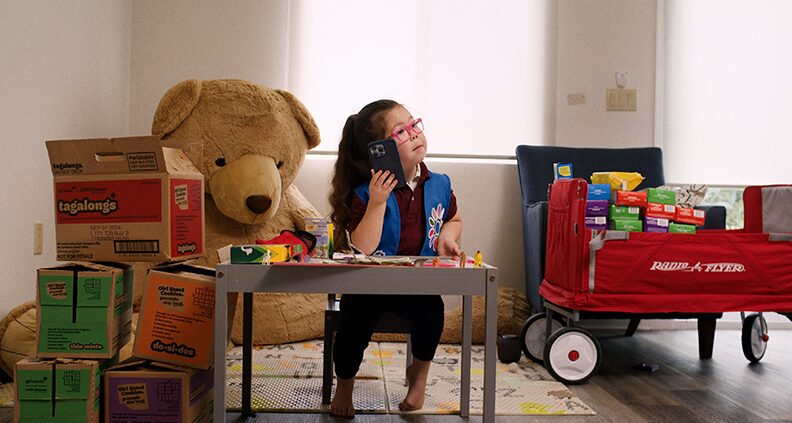
The film spends a lot of time with the girls outside of selling — Olive in her cotillion class, for instance. How did you decide which moments like that belonged in the film?
There actually aren’t that many shots of cookies in this film, because a lot of scenes take place with the girls in other areas of their lives. This is a coming-of-age story. Nikki and her sisters spend time together in their bedroom playing with dolls and makeup, and the pressures they talk about with regard to selling cookies are similar to the pressures children might feel about sports or school. We see Shannon Elizabeth learning karate as a way to understand her journey with self-confidence. We watch Ara, who has Type 1 Diabetes, practice selling cookies she can’t eat. To me, that spoke to something much bigger about accessibility. A scene like Olive at her etiquette class tells us what drives her, and that question, what drives these kids, was at the heart of everything. Not just who drives them to the supermarket with their Samoas, but what is motivating them to pour so much of themselves into this commercial endeavor for a company that does $800 million a year in cookie sales.
Can you talk about the editing process and weaving four stories together?
This was my first film interweaving four separate stories. I wanted to make something where the whole is greater than the sum of its parts. I worked with three editors at different phases of the edit — Kim Roberts, Jeannie Applegate, and Fatima De Los Santos — whose different perspectives were invaluable. With Fatima and Jeanne, we identified each Girl Scout’s story arc and key scenes. In the final phase with Kim, we were finding the transitions between stories that said something bigger than any one of them alone.
Documentary gives you things you could never write. Olive’s opening line about upselling — people have asked me if she said that. I just filmed her teaching the younger Daisies about cookie sales and stepped back. I could never invent that line. It’s completely Olive! That’s what I keep coming back to about nonfiction: the world hands you things that are both utterly specific and somehow universal. Finding those moments, the ones that seem small but are actually much larger, is such a joyful part of the work.
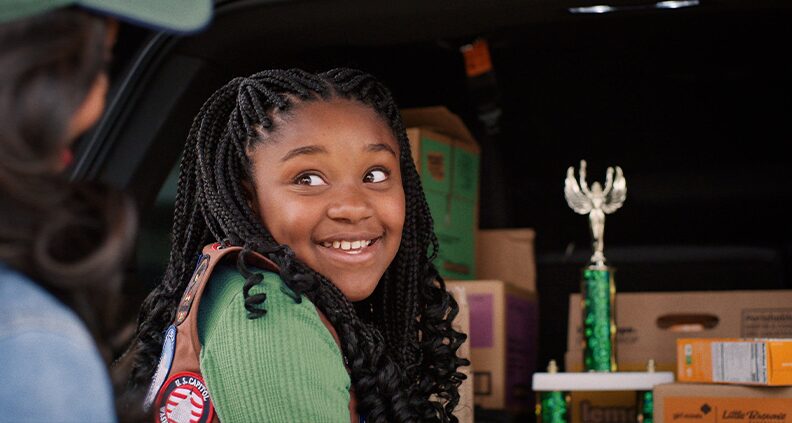
The film is getting a theatrical release, which is significant for a documentary. What does that mean to you, and what did you learn from making something with a built-in audience?
I always wanted watching Cookie Queens to be a communal experience, something a family, a Girl Scout troop, a mixed-age audience could share. When we premiered at Sundance in the Eccles Theater, which seats over 1,200 people, the energy was electric. Laughter, tears, applause breaking out in the middle of scenes. That told me this was something worth seeing together in a room.
Roadside Attractions has a strong track record with theatrical documentaries, and the built-in audience is real: Girl Scouts membership is around 2 million current members and over 50 million alumni, and that’s before you count everyone who has ever bought the cookies. But beyond the audience numbers, I think the film earns a theatrical experience through the visuals, the music, the sound design, and my team did extraordinary work across all of those.
As for what I’ll carry forward: every documentary demands that you adapt your entire process, your production approach, your edit, your distribution strategy, to the specific world you’re entering. What I found with Cookie Queens was a balance between familiarity and surprise. There’s a film audiences might expect from this subject, and then there’s what we actually made. I want to take people somewhere they didn’t expect. That tension, I think, is what I’ll keep chasing.
Images courtesy of Roadside Attractions
Film Independent promotes unique independent voices by helping filmmakers create and advance new work. To become a Member of Film Independent, just click here. To support us with a donation, click here.
Keep up with Film Independent…